

You'll be asked to provide your basic information and will be contacted when the survey for the next report is sent out. It's a great way to give back to our community.
This episode is sponsored by The PM PrepCast. It's the best PMP Exam Prep on your mobile device:
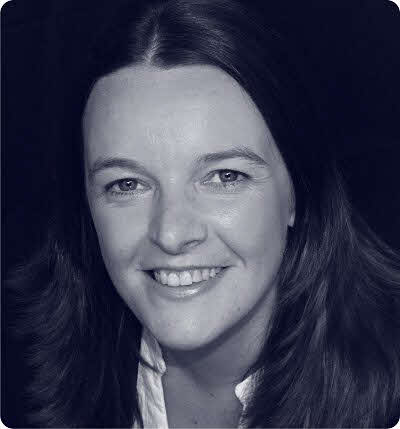
Lindsay Scott
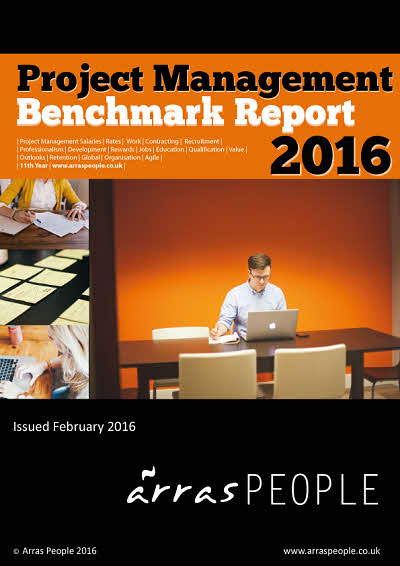
For over a decade now, Arras people has been publishing their yearly project management benchmark report and so I’ve invited Lindsay Scott (https://uk.linkedin.com/in/projectsmanagementrecruitment) to introduce it to us to this latest version.
Lindsay says about the report, that even after all this time of doing the research and seeing the changes over the years, it is hard not to be drawn to the fact that project management is still an exciting and growing field. The fact that projects are still failing suggests that even with all the effort and time expended we are still searching for that magic bullet which will ensure we deliver.
Of course, the report doesn’t give us this magic bullet, but it provides an interesting insight into what you and I are doing day after day.
There are two options for you to get a copy of this report:
But your second option, which is actually the better one, is to visit the Arras People website and Request the Project Managment Benchmark Report 2016. Because in that way you are also going to be invited to fill in the survey for the next report.
This episode is sponsored by The Agile PrepCast. PDU for PMP::
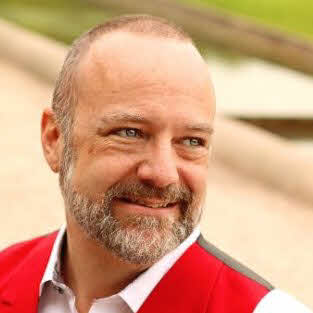
Joseph Flahiff, PMP, PMI-ACP
Decision making in project management can be hard. That is of course especially true if your decision making process is such that every decision you have to make must be passed up the command chain in your organization until finally someone up there has the time to review your input and make that project decision.
But what if there were an easier way for project management decision making?
We begin with a definition, look at what’s wrong with today’s decision making process, offer a way to make decisions simply by flipping a coin and then look at the proximal model in detail with lots of examples, tips and tricks. All with the goal that you can improve your project management decision making process.
This interview is 29:45 minutes long. This means that you can "legally" only claim 0.25 PDUs for listening to it. However... if you first listen to the interview and then also read the article on which it is based, then you can go ahead and claim 0.50 PDUs!
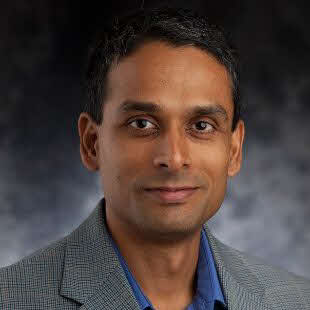
He not only says that the PMP salary you can expect is greater on average, but he also found many other PMP certification benefits. Having a shared vocabulary and enjoying a completely different and often steep career path are just two of them.
So if you are either already PMP certified or thinking about your own PMP Exam Prep and and wondering about the value of PMP certification, then this interview is definitely for you. Niraj and I explore the benefits of being or becoming a PMP from various aspects.
This episode is sponsored by The PM PrepCast for PMP Exam Prep:
Joseph Flahiff, PMP, PMI-ACP
Have you heard of supportive leadership? I certainly had not. I knew what servant leadership was, but the concept of supportive leadership was a definite unknown.
The good news is that Joseph is a prolific writer who has a number of articles on the topic. He reviews the concept from various angles and he also has a number of great examples of how he works with his customers to implement supportive leadership in their organizations and how he uses the concept as a project leader himself. In this edition of our leadership podcasts series you’ll learn how to incorporate all of this as part of your own project leadership almost right away.
And of course we will also touch upon the main difference between supportive leadership and servant leadership. You’ll be just as surprised as I was.
This episode is sponsored by The PM PrepCast for PMP Exam Prep:
Jim Coughenour, PMP
Are you thinking about how to get PMP certified and wondering whether you should take a PMP boot camp, a PMP class, hire a PMP trainer, or whether to achieve this certification simply through PMP self-study?
Jim is an experienced PMP Trainer and he and I look at the benefits, disadvantages, cost and other factors that you should consider before deciding which way you want to go.
But even if you have already decided that maybe a PMP bootcamp is for you, then I recommend that you should still listen to our discussion because I also ask him to share with us his tips on what you should and should not be including as part of your PMP preparation.
Leadership in project management is an important topic these days. And if you are like most project managers then you may have fallen into project management a bit by accident. And then, after you have successfully delivered a few projects, suddenly everyone tells you that you must improve your project management leadership skills.
Effective project management, they say, depends a lot on your project leadership, and we have many leadership podcasts in the archives to help you do that.
But today we are tuning in to another expert in the field. Once you realise that you have to transform into a project leader then leadership training will be part of your ongoing professional development, and that is where our guest can help.
Niraj Kumar (www.leadproje.com -- https://www.linkedin.com/in/thenirajkumar) is a leadership expert and proponent of self-growth through continuous learning. Together we explore his view on leadership, how these skills help you as a project manager, how they help you when dealing with senior executives. We talk about the power of project leadership and as always we include a lot of tips on how you yourself can improve how you approach project management and leadership starting today.
If you are preparing for your PMP Exam then you know that one of the most important activities is to take many PMP sample exams and answer as many PMP sample questions as you can.
But as a general rule, it is not always easy to identify the correct PMP exam answers.
Those who pass the PMP exam often report back that PMP answers are ambiguous, sometimes more than one looks right and sometimes you may even have to choose the one that is least wrong. So what are you to do?
One solution is that you can work with a PMP Trainer who guides you and works with you on those pesky questions. And this is of course exactly why I have invited Dr. Julie DeSot (https://www.linkedin.com/in/juliedesot) for an interview. As a PMP coach she has helped many people successfully prepare for their PMP exam and get to the bottom of those questions.
This episode is sponsored by The Agile PrepCast. PDU for PMP::
Fernando Remolina, PMP
Shipyards and dockyards are the places where ships are repaired and built. Here we are talking about yachts, military vessels, cruise liners or other types of cargo or passenger ships. And of course, in order to stay on time, on budget and on scope, a shipyard project manager oversees the project.
Fernando Remolina González (https://www.linkedin.com/in/remolinaf) has been working in ship repair and shipbuilding project management for about a decade. He is one of the few voices that write and speak about their experience in managing projects on ships.
It's a fascinating and centuries old industry that requires the project manager to have lots of technical experience. Beyond that shipyard project management follows a pretty standard approach. You initiate, plan, execute, monitor & control, and then you close the project. But as in any other industry, it’s what you do that makes all the difference.
This interview is based on Fernando's article titled "Shipyards: Fast and Complex Projects" [Update: the website is no longer available, so we removed the link].
PDU Tip
This interview is 24 minutes long. This means that you can "legally" only claim 0.25 PDUs for listening to it. However... if you first listen to the interview and then also read the article on which it is based, then you can go ahead and claim 0.50 PDUs!
The Work Breakdown Structure (WBS) is a powerful project management planning and controlling tool. It is the backbone to planning and managing scope on any project and - as you will hear in our interview - every ship repair project must have it.
Fernando Remolina González (https://www.linkedin.com/in/remolinaf) is a project management professional and works for the Curacao Drydock Company in ship repair, engineering and ship conversion. In his many years of working in shipyard project management he realized that managing the scope is both central and vital and that the WBS is the tool to use. And his successful projects are the proof.
So he set out to help others in his industry and wrote the article WBS for Ship Repair Projects. But here is the good news. First of all his article offers a fascinating look at shipbuilding project management and second, his review of how to apply and use a WBS can easily be applied to many other types of projects.
This is a brief interview with Rich Maltzman who is writing a new book together with his co-author Loredana Abramo. The book is tentatively titled "Bridging the PM Competency Gap" and will be out toward the end of 2016.
The reason for such a short interview? Rich has a favor to ask and would like you to fill in a quick survey:
Today, I don’t have a full interview for you. I have something better. I have a free book on risk management for you:
The free risk management eBook you are going to get is “Managing Murphy -- Essentials of project risk management”. It’s written by Dr Jim Young, PMP, FNZIM (https://www.skillpower.co.nz/) and it is intended to be applicable regardless of your preferred methodology and framework – so you can use the concepts presented no matter if you follow PMBOK®, PRINCE2 or Agile approaches. The book includes exercises to do with your team so it's truly interactive. The exercise on risk responses in project managementis particularly helpful, in my view.
If you use a podcast app to download and listen to our interviews, then the book has very likely already been downloaded by the app for you. It is a PDF document and you should see it as a separate episode of your subscription of The PM Podcast. If not, then please click on the download button above.
PDU Tip
You can claim 1 PDU in the "Technical Project Management" category for each hour that you spend reading this book. Please study the PMI CCRS Handbook and search for "reading" in the document to see how to claim your PDUs in detail.
This free eBook "Managing Murphy - essentials of project risk management" was written by Dr Jim Young, PMP, FNZIM.
What I like about this ebook is that it includes risk management strategies for agile projects as well as techniques suitable for predictive methodologies. It references the PMI Practice Standard for Project Risk Management and goes into detail in more than 400 pages into the language and principles, processes and planning, identification and analysis and of course risk response management and monitoring and control. That's a lot of content! The section on reviewing and revising your risk approaches will help you identify risk management critical success factors specific to your organization so you can use those again in the future.
Risk management in project management is such an important area for practitioners and executives, so I'm pleased to be able to share this ebook with you. Why not send the link on to your colleagues as well?
This episode is sponsored by The Agile PrepCast. PDU for PMP®:
Paul R. Williams, PMP
In many organizations, there is a familiar gap between what should get done and what does get done. This gap is commonly referred to as the “execution gap” and it represents an organizational leadership issue that is difficult to overcome.
In his article Mind The Strategic Execution Gap [Update: The web page is no longer available so we removed the link.] Paul Williams (https://www.thinkforachange.com/aboutpaul [Update: The web page is no longer available so we removed the link.]) argues that we also have an “innovation gap” as well as a gap in strategy execution.
The strategic execution gap is most often a result from a lack of focus and action between the strategic direction of the organization and its frenetic attempt to balance keeping the lights on and the customer happy.
In our interview - one of many leadership podcasts we've got available to listeners - Paul defines the problem and we learn a lot about these various gaps. We talk about how they come to be and how they represent a problem to our organizations. But of course we also discuss how project management and the power of project leadership fits into all of this and how we project managers and project leaders can help overcome the issues.
PDU Tip
This interview is 28 minutes long. This means that you can "legally" only claim 0.25 PDUs for listening to it. However... if you first listen to the interview and then also read the article on which it is based, then you can go ahead and claim 0.50 PDUs!
This episode is sponsored by The PM PrepCast for The PMP® Exam:
Paul R. Williams, PMP
It’s time. It’s time for strategic project management to be directly represented at the executive round table, in board meetings, and in the ‘C’-suite. It’s time for singular ownership and accountability for organizational strategic planning and execution. It’s time for dedicated focus on organizational resource planning, allocation and utilization. It’s time for focused attention regarding return on investment, earned value on execution, appropriate risk management and post-execution benefit capture. And finally, it’s time for single-sourced, unambiguous communication regarding strategic balance, allocation of resources and prioritization of the directives that constitute the portfolio of investments that the organization makes on its own behalf.
What you have just read is the opening paragraph of the article It’s Time for Project Leadership To Have A Seat At The Executive Table [Update: The web page is no longer available so we removed the link.] written by Paul Williams (https://www.thinkforachange.com/aboutpaul [Update: The web page is no longer available so we removed the link.]). In it, he emphatically argues that project management is just as important as any of the other more traditional business departments such as marketing, finance or operations.
In our interview, Paul and I review his general argument why project leadership needs a seat at the executive table, what the roles and responsibilities of our representative are, what skills he or she needs, and what you can do as part of your career planning to become that very person.
This episode is sponsored by The PM PrepCast for The PMP® Exam:
David M. Kornaros, PMP, CSM
Today you will be treated to another PMP exam success story. I proudly present to you David Kornaros (https://www.linkedin.com/in/davidkornaros) who is one of my successful PMP students. He has used The PM PrepCast, which is my PMP training videocast and also The PM Exam Simulator in his preparation.
As always with these interviews, they are intended for those among you who are currently preparing for their PMP Exam because the in-depth knowledge that I can take from someone like David who has passed their PMP exam will help you understand how to prepare for PMP.
This PMP exam lessons learned interview reviews David’s journey from start to finish, including many tips and tricks that he picked up along the way.
This episode is sponsored by The Agile PrepCast. PDU for PMP®:
Joe Drammissi, MSPM, PMP, PMI-ACP, CSM
If our first discussion about Enlightened Project Management with Joe Drammissi, PMP (https://enlightenedpm.com/about) didn’t give you enough ideas on how to be more mindful and enlightened in your day to day work, then you definitely want to listen to this premium interview.
Because after a quick review of the enlightened project management concept, Joe is going to first talk about two more easy to apply techniques, and then we are going to go through about a dozen or so tips that I have selected from his book 101 Tips for the Enlightened Project Manager.
All geared at helping you increase your leadership skills.
This episode is sponsored by The PM PrepCast for The PMP® Exam:
Joe Drammissi, MSPM, PMP, PMI-ACP, CSM
We spend most of our waking hours at work, yet for many among us the time spent there is unrewarding, unfulfilling, and often just unpleasant. If that sounds familiar, then we can help.
Today we are going to be talking about Enlightened Project Management with Joe Drammissi, PMP (https://enlightenedpm.com/about). At first, this sounds like a method that comes straight out of a new age textbook, but it is in fact a worthwhile concept that helps us project managers not only make a positive difference, but also puts us at the leading edge of change. So keep on listening!
In our interview, Joe and I talk about what enlightened project management is but then quickly talk about the traits that an enlightened project managers has. We review what such a PM strives to do, believes in and how she or he works with stakeholders.
We close out the interview by learning how EPM is applied on a project manager's day-to-day work, and Joe gives us a technique that is easy to apply to get us started -- all based on his book 101 Tips for the Enlightened Project Manager.
This episode is sponsored by The PM PrepCast for The PMP® Exam:
Mark Chropufka, MBA, PMP
This is another episode in which I am proudly introducing you to one of my successful students who was able to pass the PMP. Hi name is Mark Chropufka (https://www.linkedin.com/in/mark-chropufka-pmp-mba-a3a8196) and he is a student of my PMP PrepCast.
I love doing these kinds of interviews because of the in-depth knowledge that I can take from someone like Mark who has passed their PMP exam and bring it to those who are still studying for their exam. And of course, I also feel very satisfied that it was my exam preparation course that showed Mark how to prepare for PMP.
In this PMP lessons learned interview you are going to hear him talk about his journey to becoming PMP certified from start to finish.
This episode is sponsored by The Agile PrepCast. PDU for PMP®:
Shyamsundar Ramanathan, PMP
Shyamsundar Ramanathan (https://maximisepotential.blogspot.com/, https://www.linkedin.com/in/shyamsundarramanathan) has been a manager and project leader for well over a decade and he says that he has enjoyed every minute of it. To him, our work is both an art and science. It has specific actions that need to be taken and the results will be predictable.
And in his article “9 Ways to Become a Great Manager” he argues the following:
“There is a lot of hot air around leadership and I totally agree that leadership is very important. However management is absolutely imperative to achieve the vision set by the leader. If we have a leader who can manage and a manager who can lead then we would have an ideal mix of traits to ensure the success of the organization. Sometimes management is also defined as getting the work done through others.”
What interested me about his article was to take it a step further and ask: Does being a great manager also help me in being a great project leader? And… Which management skills help me being a great project leader?
In other words, we will explore how management skills help us be great project leaders.
Shyam would like us to mention that the views he expresses in this interview are his own and not those of his employer.
Cornelius Fichtner, PMP, CSM, is the host and the author at The Project Management Podcast. He has welcomed hundreds of guests and project management experts to the podcast and has helped over 60,0000 students prepare for their PMP® Exam. He has authored dozens of articles on projectmanagement.com and PM World 360. He speaks at conferences around the world about project management, agile methodology, PMOs, and Project Business. Follow him on Twitter and connect with him on LinkedIn.
Project Management for Beginners and Experts
Going beyond Project Management Professional (PMP)®, PMI Agile Certified Practitioner (PMI-ACP)®, and Certified Associate in Project Management (CAPM)®
PM PrepCast, Agile PrepCast, PM Exam Simulator, PDU Podcast, PM Podcast are marks of OSP International LLC.
PMI, PMBOK, PMP, PgMP, PfMP, CAPM, PMI-SP, PMI-RMP, PMI-ACP, and PMI-PBA are registered marks of the Project Management Institute, Inc.